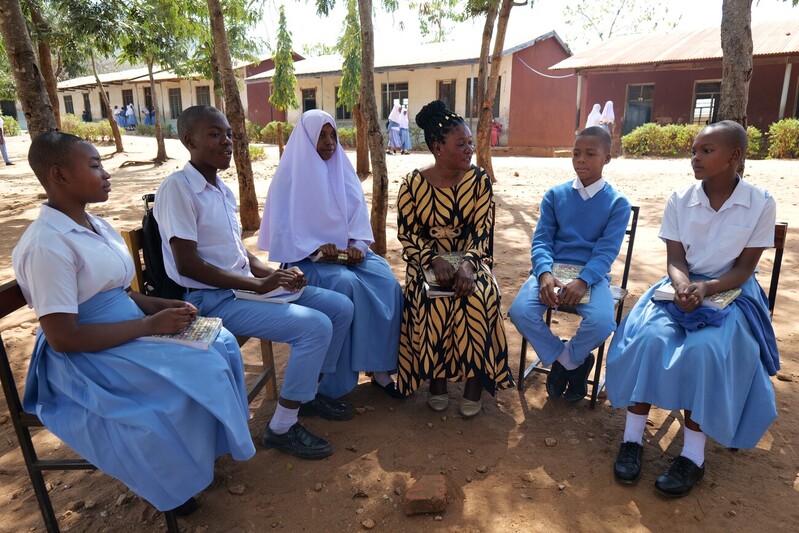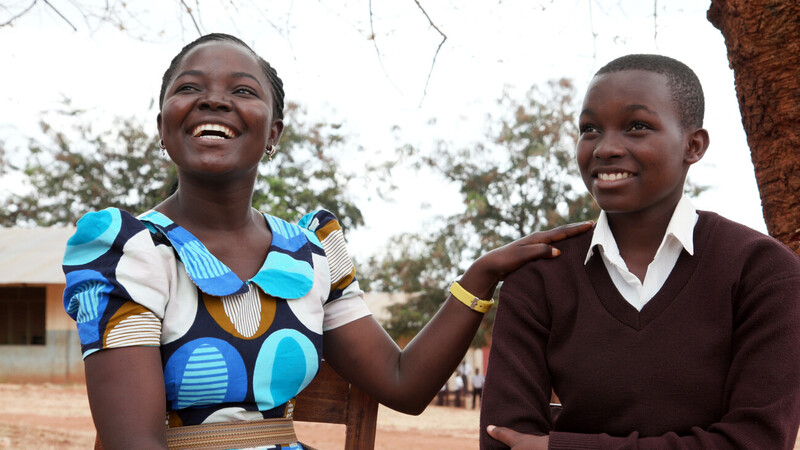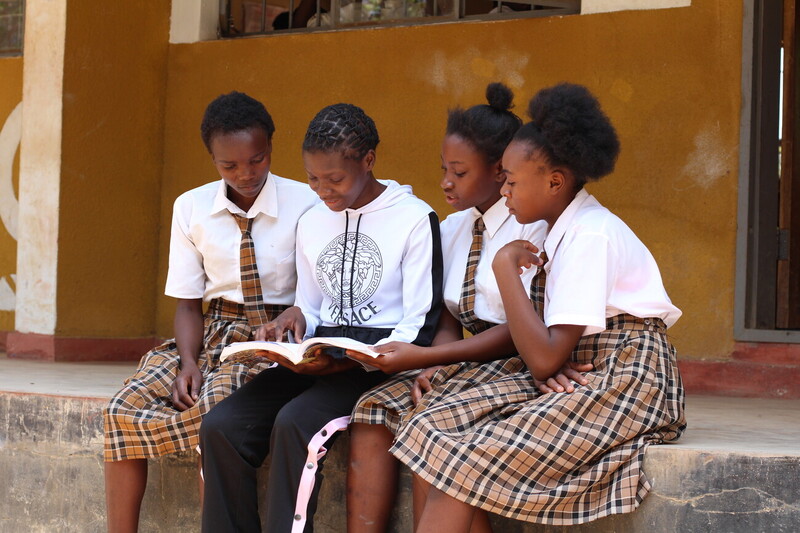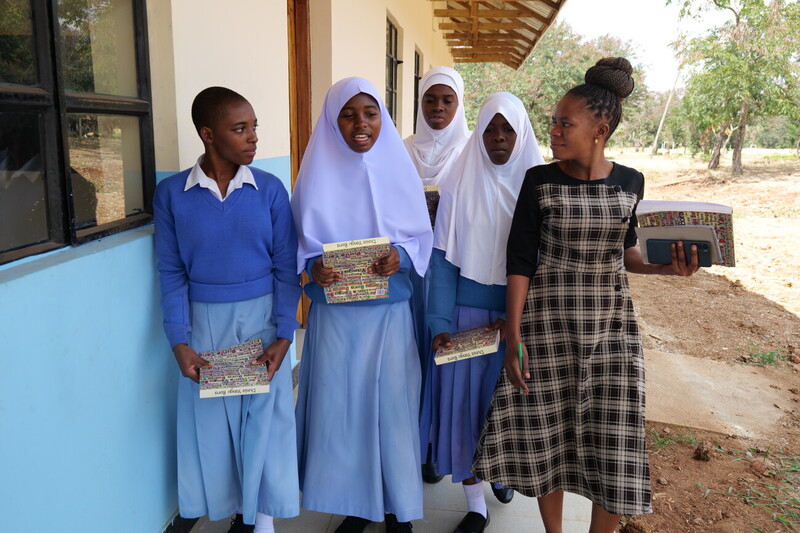

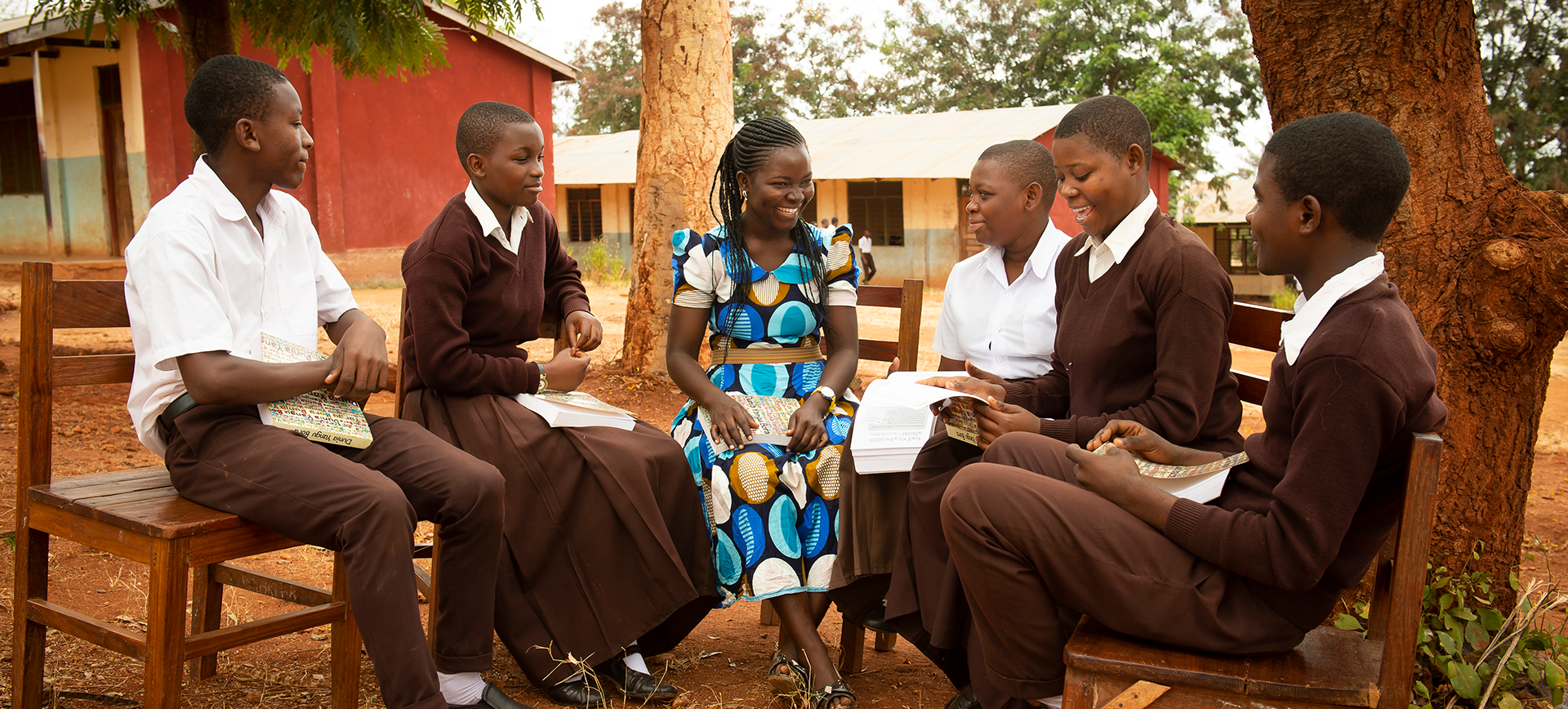
Despite near universal primary school enrollment in Tanzania and Zambia, girls in rural areas are much less likely to finish school. CAMFED provides wraparound community support so that girls can thrive in school, transition to higher education or employment, and step forward as leaders.
The most disadvantaged girls in rural Zambia and Tanzania rarely complete secondary education — only 4% of the poorest quintile in Tanzania and 3% in Zambia. Overall, girls in rural areas are 4-5 times less likely to finish school than their urban counterparts.
After graduation, 82% of women in rural Zambia don’t enter the labor force and 98% of women working in rural Tanzania either do so on their own farm or as unpaid family workers.
CAMFED’s approach
CAMFED is a pan-African movement tackling poverty, inequality, and injustice through girls’ education and women’s leadership. CAMFED provides financial and social support for marginalized girls to thrive in school and transition into higher education, fulfilling work, and positions of influence, as part of a pan-African network of women leaders, mentors and role models.
The Learner Guide program underpins this strategy by embedding life skills mentors (‘Learner Guides’) and tailored support in schools. By partnering with governments to scale its approach, CAMFED aims to transform the education system, ensuring it works for future generations of girls. By 2030, 1.8 million girls will complete secondary school, 4.2 million girls will acquire deeper learning skills, and 66,100 young women will take up roles in schools and join the pipeline of future leaders.
CAMFED’s impact
With our support, since 2022 CAMFED has achieved the following:
People-level outcomes
88% of Learner Guides in Zambia and 87% in Tanzania take on local leadership roles.
99% of Learner Guides in Zambia and Tanzania expressed increased confidence after training.
69% of girls in Tanzania and 67% of girls in Zambia reported an improvement in confidence and self-esteem after one year of participating in the Learner Guide programme.
7,490 Learner Guides integrated into nearly 1,551 schools across two countries.
Systems-level outcomes
Partnered with governments to launch the Learner Guide model in 44 new districts in Tanzania and 11 new districts in Zambia.
Strengthened national policies to support the school re-entry of young mothers.
Developed research partnerships to strengthen data on outcomes for marginalized children.
Integrated five key concepts from CAMFED’s life skills program into the new National Curriculum in Zambia, and delivery of the full program within alternative education centres in Tanzania through the World Bank supported government peer education and psychosocial support program.
Organization-level outcomes
Applied systems transformation learnings from Zambia and Tanzania to operations in Zimbabwe, Malawi, Ghana and Kenya.
Grew their peer support and leadership network to 16,367 members in Tanzania and Zambia.